
There is a place in Campania where time runs slower, wrapped in the scent of history and ancient earth. It is Capua: a city that does not tell its story easily, because every stone in its alleys and every bend of its Volturno carries millennia of life.
Coming to Capua is not simply travelling. It is crossing time.
When the gods walked among us
Before Rome became Rome, Capua already was. Founded by the Etruscans in the heart of the fertile Campania felix, it rose at a crossroads of roads, peoples and destinies. The first human traces here go back to the 9th century BC.
Rome feared it. Rome loved it. Cicero called it the “second Rome” — not as flattery but as fact: Capua shone with a light of its own, with gilded temples, markets scented with exotic ointments, craftsmen shaping bronzes of unmatched beauty.
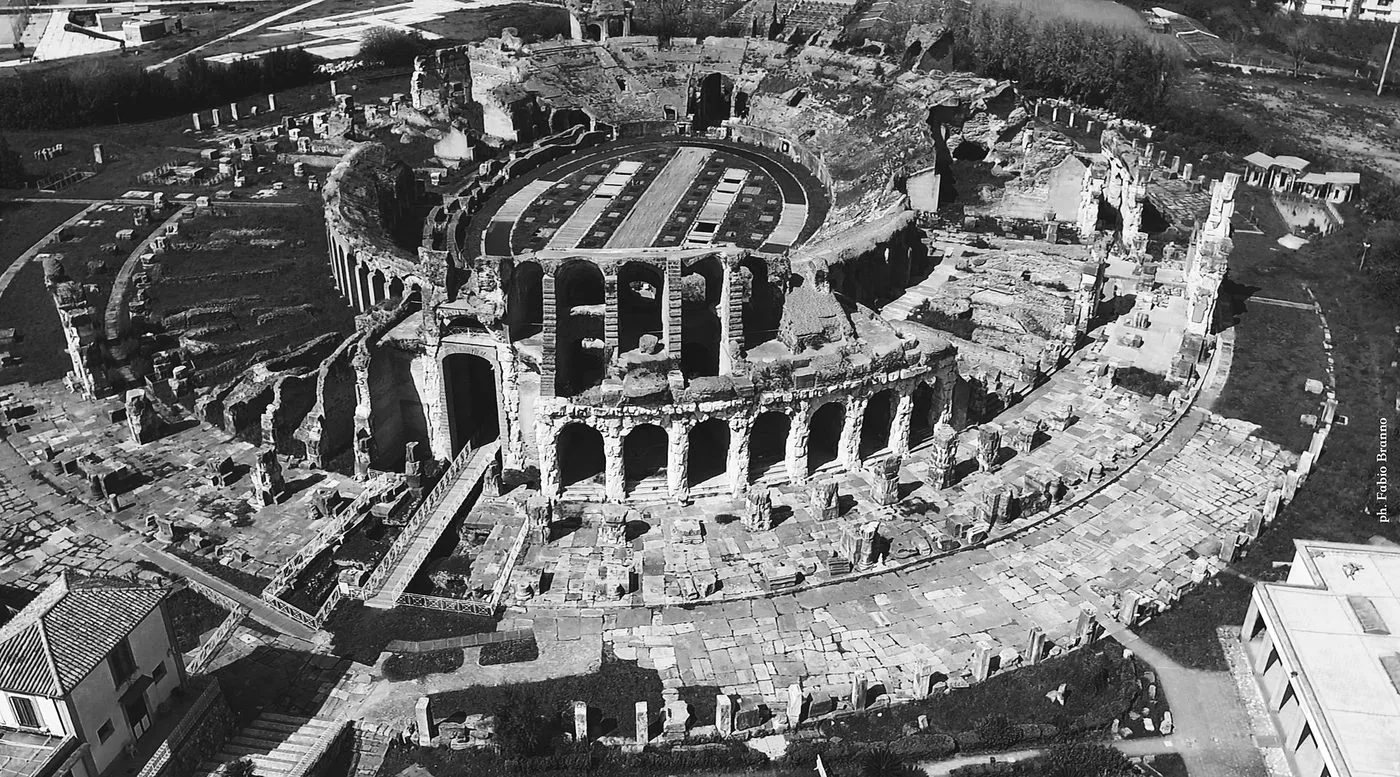
Emperors and slaves, philosophers and legionaries walked the paving stones of the Appian Way here. Perhaps no step was more famous than that of Spartacus, the gladiator who in 73 BC — from the first gladiator school in the world, right here in Capua — raised his fist and said enough.
The phoenix on the Volturno
In 840 AD Saracen fires devoured the ancient metropolis, and its people — carrying only the name and the memory — took refuge in a quiet bend of the Volturno. There, where the river port of Casilinum once stood, the new city was born.
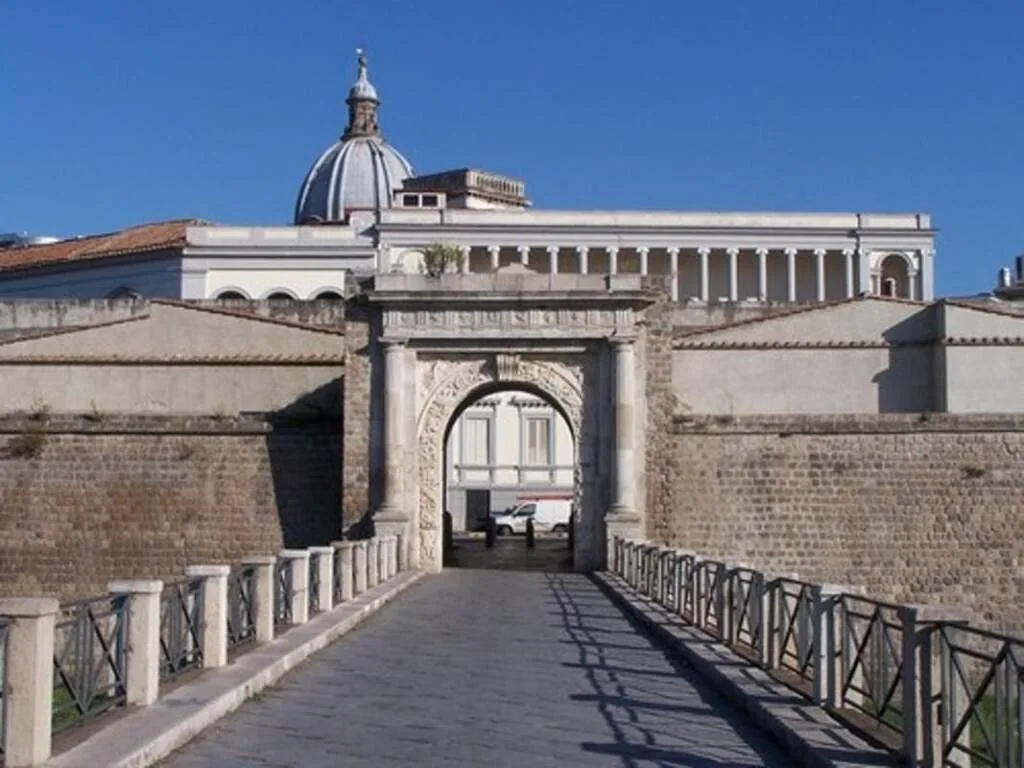
The “new” Capua was never a second-best city: it became the seat of bishops and princes, adorned with medieval towers, Romanesque churches and sixteenth-century bastions that still embrace its centre like a stone cloak. Our garden lies inside that cloak.
Capua does not shout its beauty. It whispers it.
A city still alive
Capua is not only memory. It is a breathing city, with colourful markets, taverns serving pasta e fagioli the way Campania intends, and squares where life moves with a slowness the modern world has almost forgotten. Those who arrive planning to stay a day often find themselves wanting much longer.